India Investigates Questioned Abhayrab-Labelled Vials
Indian authorities are investigating questioned vials carrying the Abhayrab name and batch number KE25012 after a field sample failed a potency test.
What authorities reported
India's Central Drugs Standard Control Organisation said authorities were investigating vials carrying the Abhayrab name and batch number KE25012 after a questioned field sample was classified as not of standard quality and misbranded following a potency-test failure.
The sample was reportedly seized from an unlicensed residential premises in Mukherjee Nagar, Delhi, on 22 April 2026. The later public statement said four people had been arrested as authorities investigated the supply source.
Why authenticity is central to the investigation
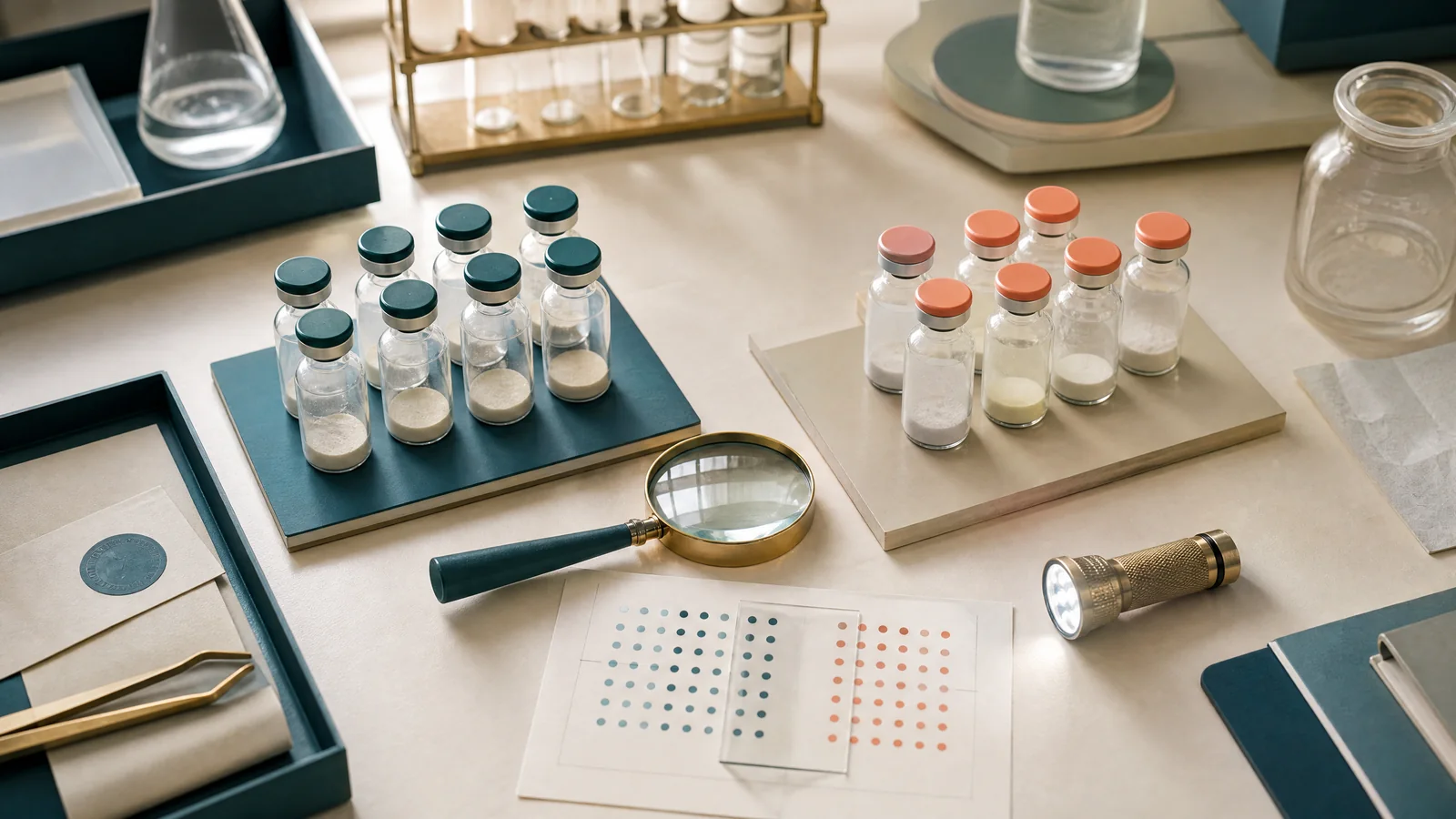
Reports said the questioned sample passed several tests, including sterility and identity, but failed the potency test. Investigators also reported differences from the manufacturer's retained reference sample, including packaging, artwork, QR verification, cap colour, licence information, and label details.
Those differences raise a possible spurious or counterfeit product issue. They do not establish that all genuine vaccine vials bearing the batch number were defective.
What the manufacturer said
Indian Immunologicals said the questioned vials were not manufactured by its Human Biologicals Institute division and that the genuine KE25012 batch had passed required batch-release testing. That is a company statement, not the completed result of an independent regulator investigation.
The central unanswered questions are who produced the questioned vials, how they entered an unauthorised channel, and whether anyone received them. The information reviewed did not establish the number of patients, if any, who may have been exposed to a questioned product.
Medicine-quality lessons
The incident illustrates why licensed supply chains, verified packaging, batch records, and regulator investigations matter. A medicine-quality failure and the unauthorised use of a genuine batch number are different problems and require different conclusions.
Readers should not inspect or interpret a vial solely from photographs or online descriptions. Product-authentication questions should be directed to a qualified healthcare professional, authorised provider, manufacturer contact, or medicines regulator.
Rabies exposure cannot wait
Rabies is preventable when prompt, appropriate post-exposure care is provided, but the disease is almost always fatal after clinical symptoms begin. Anyone who may have been exposed to rabies should seek urgent professional and public-health assessment. A news report about a questioned product is not a reason to delay, interrupt, or independently change post-exposure care.
Evidence limitations
The investigation was ongoing when these sources were reviewed. Counterfeit status, distribution scope, and patient exposure had not been fully established. This page will need an update if CDSCO publishes final findings.
Medical review status: Pending. This source-led article has not yet been reviewed by a MedoPulse clinician.
Educational notice: MedoPulse provides general educational information, not diagnosis, treatment, or individualized medical advice.
Sources
Sources are preserved as non-clickable references so this MedoPulse page never sends visitors to another website.
- 1. India flags Abhayrab rabies vaccine batch as substandard, probes if spuriousReuters · 4 September 2026Reference listed on MedoPulse
- 2. Authorities probing potentially counterfeit rabies vaccineThe Hindu · 5 September 2026Reference listed on MedoPulse
- 3. IIL says questioned Abhayrab vials were not manufactured by its divisionBusiness Standard · 5 September 2026Reference listed on MedoPulse
- 4. Rabies fact sheetWorld Health OrganizationReference listed on MedoPulse