India’s Health Ministry reported more than 80 lakh HPV vaccine doses administered to 14-year-old girls since the national campaign began, while the administrative figures require careful denominator and outcome interpretation.
WHO's latest surveillance synthesis reports fewer notified cholera cases but more deaths in 2025, alongside meningitis and plague updates. Reporting gaps mean the totals do not represent true global burden, and the release is not an India outbreak alert.
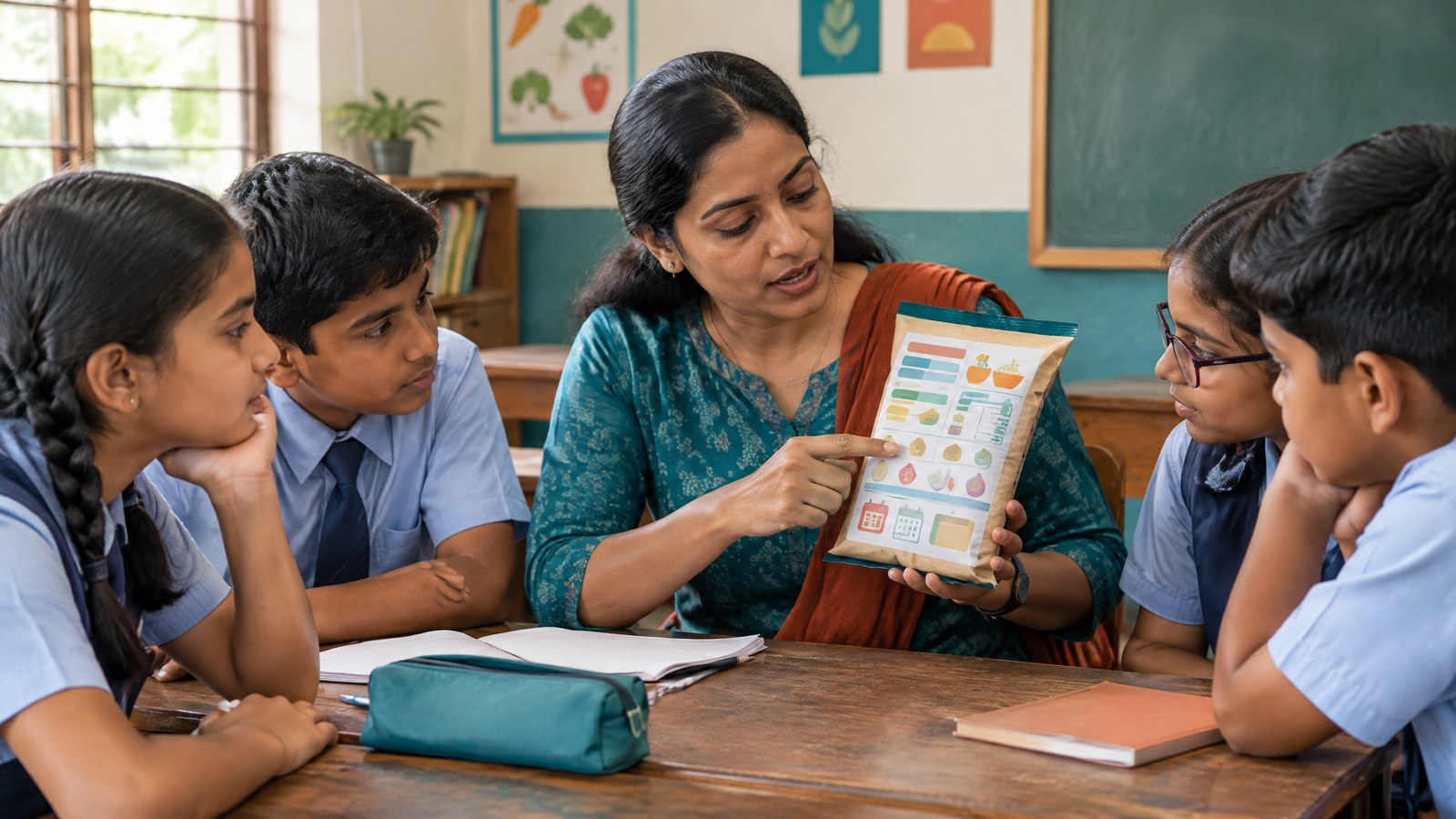
FSSAI West Region announced a planned food-label literacy initiative for Mumbai schools. The official release names ingredients, nutrition information, allergens, date marking and licence details, but reports no rollout scale or measured health outcomes.
FDA’s 11 September final order codified class II special controls for software that suggests the likelihood of one cardiovascular condition, while the underlying De Novo classification dates to 2023 and the output is not diagnostic quality.
WHO’s 10 September update records 6,778 confirmed Bundibugyo virus disease cases and 3,269 deaths, while noting surveillance effects and low global risk.
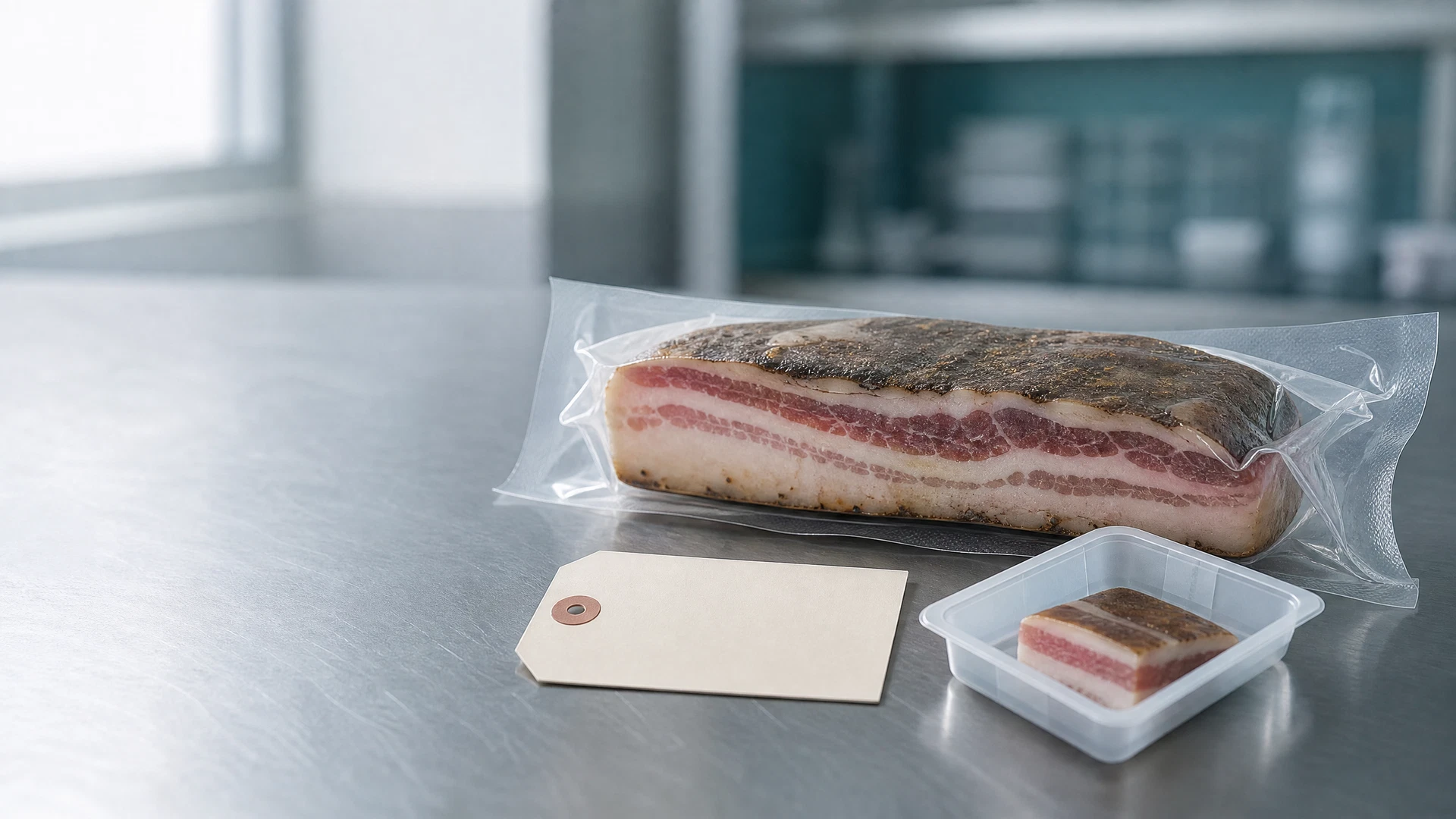
FSIS recalled about 1,513 pounds of specified imported ready-to-eat guanciale after a sample tested positive for Listeria monocytogenes. No illnesses were confirmed at announcement.
A U.S. Embassy travel-health alert reported increased diarrheal illness across Cuba and advised food- and water-safety precautions without providing case counts.
A Pediatrics study found recorded GLP-1 prescribing remained uncommon overall among children aged 8–11 with obesity, while increasing over the study period.
CDC surveillance listed 3,134 confirmed U.S. measles cases for 2026. The figures show outbreak scale, but local death determinations and national reporting remain distinct.