Healthy Recipes
Explore a variety of nutritious, balanced recipes designed to support overall well-being. This guide offers practical meal ideas focusing on whole grains, fresh produce, and lean proteins, helping you make informed dietary choices for a healthy lifestyle.
Prepared from the sources listed below. This overview is educational and is not a diagnosis or treatment plan.
Overview
A clear starting point
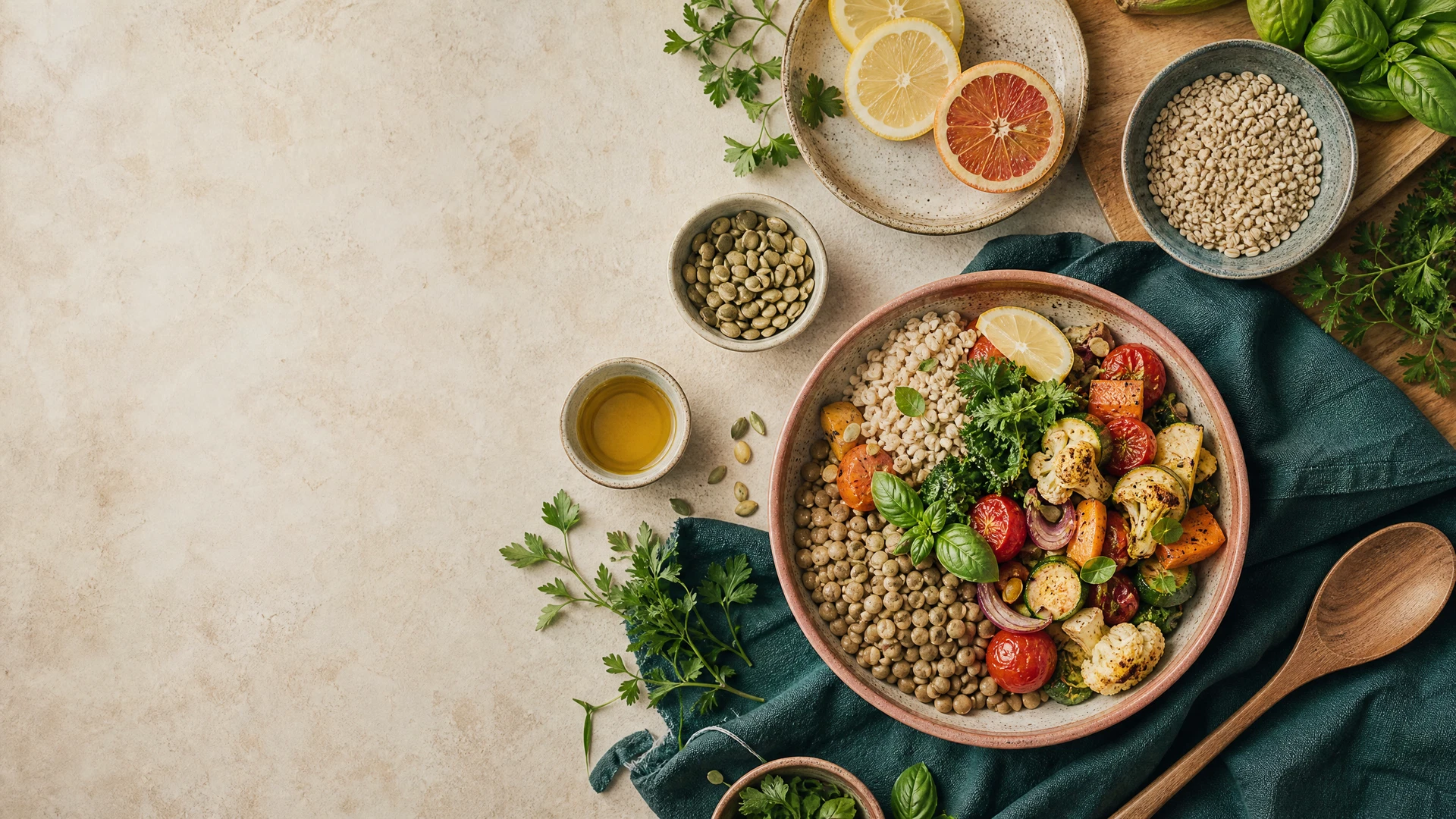
Healthy recipes form the foundation of a balanced diet, emphasizing nutrient-dense ingredients that support physical and mental well-being. According to global health authorities, incorporating a diverse range of whole grains, vegetables, fruits, and lean proteins can help maintain energy levels and reduce the risk of chronic conditions. Preparing meals at home allows for better control over portion sizes and the reduction of added sugars, sodium, and saturated fats. While individual nutritional needs vary, focusing on varied, minimally processed foods is generally recommended. This educational overview provides foundational concepts for nutritious cooking, but it is not a substitute for personalized dietary advice from a qualified healthcare professional.
Four key facts
- 1A balanced diet typically includes a variety of foods, prioritizing fruits, vegetables, legumes, nuts, and whole grains.
- 2Limiting the intake of free sugars to less than 10 percent of total energy intake is recommended by global health guidelines.
- 3Reducing sodium consumption to under 5 grams per day can help maintain normal blood pressure levels.
- 4Replacing saturated and trans fats with unsaturated fats is associated with better cardiovascular health outcomes.
Useful points to discuss
When professional care may be important
These examples are not a diagnosis checklist. New, severe, rapidly worsening, or concerning symptoms should be assessed by a qualified healthcare professional; emergencies require local emergency services.
- Experiencing unexpected or rapid weight loss or gain that is not linked to intentional lifestyle changes.
- Developing signs of nutritional deficiencies, such as persistent fatigue, weakness, or unexplained hair loss.
- Noticing severe gastrointestinal discomfort or allergic reactions after consuming certain types of foods.
Source trail
Authoritative references
Source publishers and titles are listed as non-clickable references so this page never sends visitors to another website.
- 1. World Health Organization (WHO)Healthy diet Fact SheetPublished or updated 2020-04-29
- 2. Centers for Disease Control and Prevention (CDC)Healthy Eating for a Healthy WeightPublished or updated 2023-03-08
- 3. Indian Council of Medical Research - National Institute of Nutrition (ICMR-NIN)Dietary Guidelines for IndiansPublished or updated 2024-05-08