Nutrition
Discover essential nutrition principles for better health. Learn how balanced diets, micronutrients, and healthy eating habits support well-being across life stages, with insights from WHO, CDC, and the ICMR Dietary Guidelines for Indians.
Prepared from the sources listed below. This overview is educational and is not a diagnosis or treatment plan.
Overview
A clear starting point
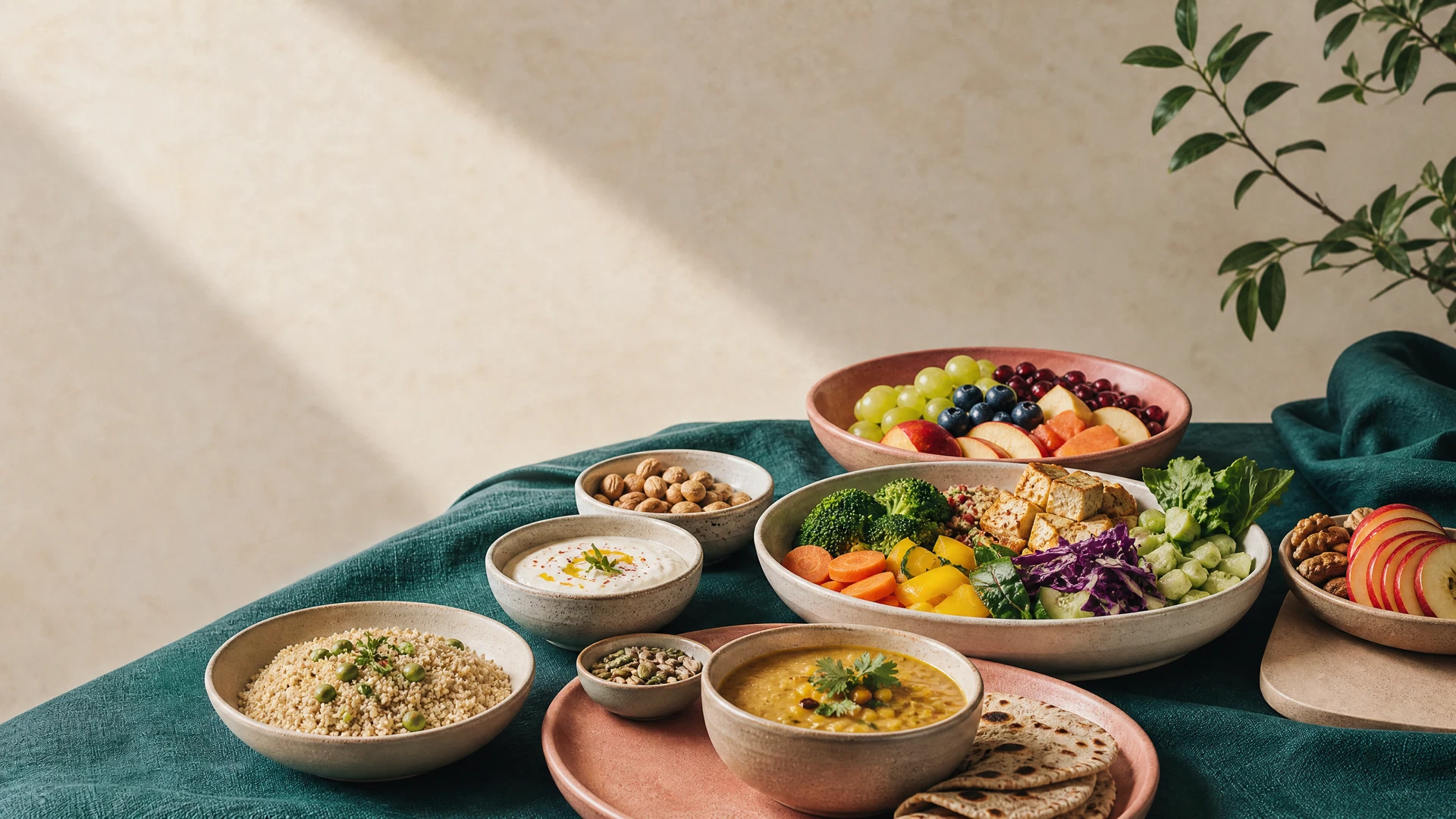
Nutrition is a critical part of health and development, playing a vital role in preventing malnutrition and diet-related noncommunicable diseases. A healthy diet involves consuming a balanced mix of carbohydrates, proteins, healthy fats, vitamins, and minerals. Public health organizations like the WHO and CDC emphasize the importance of eating a variety of whole foods, including fruits, vegetables, legumes, and whole grains, while limiting the intake of added sugars, sodium, and unhealthy fats. The ICMR-NIN Dietary Guidelines for Indians also highlight the need for varied, wholesome foods and moderation in processed food consumption to support lifelong wellness.
Four key facts
- 1Good nutrition is essential for health across the lifespan, supporting growth, brain development, and healthy aging.
- 2A healthy diet includes a variety of foods, with a balance of carbohydrates, proteins, fats, and essential micronutrients.
- 3High intake of sodium (salt) is associated with increased blood pressure, which can lead to cardiovascular disease.
- 4Limiting the consumption of free sugars to less than 10% of total daily energy intake is recommended by the WHO.
Useful points to discuss
When professional care may be important
These examples are not a diagnosis checklist. New, severe, rapidly worsening, or concerning symptoms should be assessed by a qualified healthcare professional; emergencies require local emergency services.
- Experiencing sudden or unexplained weight loss or gain
- Having difficulty swallowing, persistent digestive issues, or severe abdominal pain
- Noticing signs of severe vitamin or mineral deficiency, such as extreme fatigue or persistent dizziness
Source trail
Authoritative references
Source publishers and titles are listed as non-clickable references so this page never sends visitors to another website.
- 1. World Health Organization (WHO)Healthy dietPublished or updated 2026-01-26
- 2. Centers for Disease Control and Prevention (CDC)Micronutrient FactsPublished or updated 2026-08-27
- 3. ICMR-National Institute of Nutrition (NIN) via NetmedsICMR Dietary Guidelines 2024Published or updated 2024-05-20